ARTICLE · Aqidah
The Intersection of Qadr & Free Will
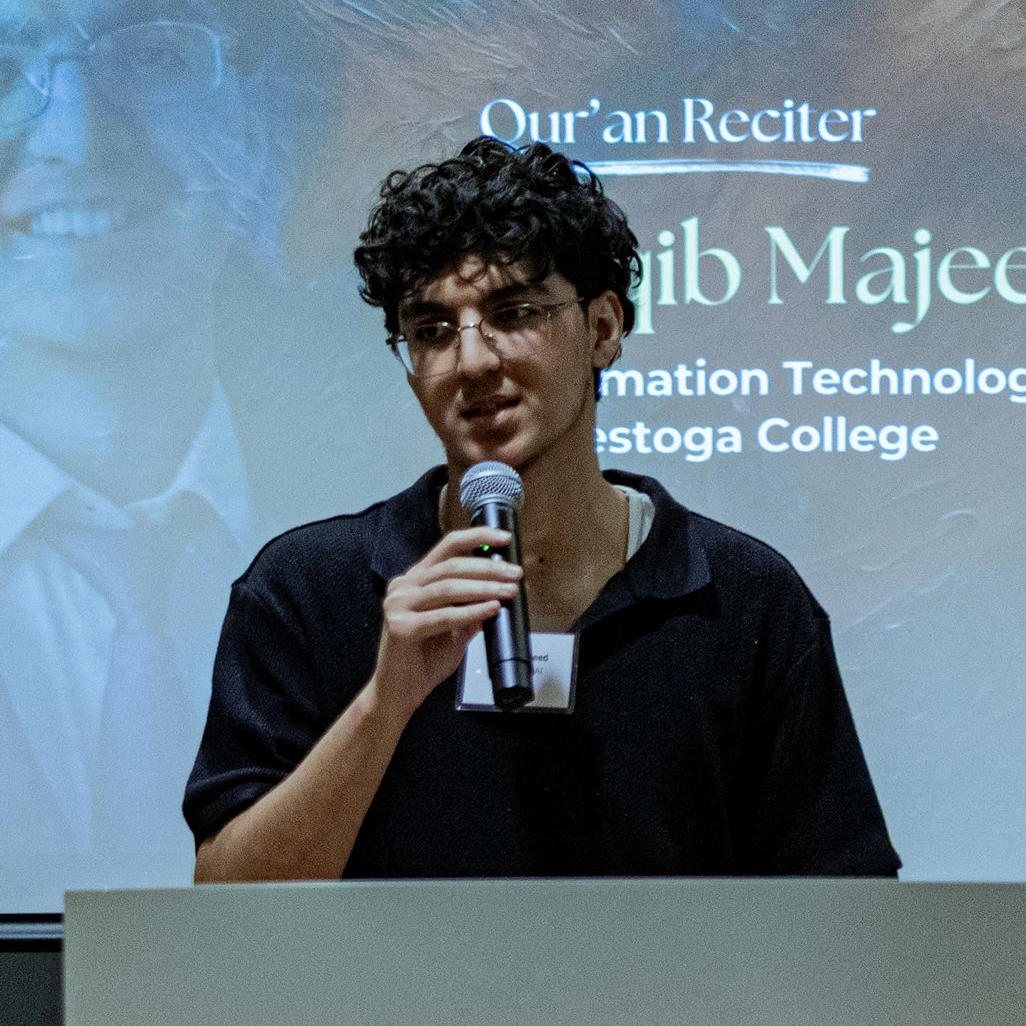 Thaqib ibn Fazle


Understanding Divine Decree (Qadr)
Linguistically, Qadr (قَدَر) means to measure, determine, and specify the extent, proportion, or outcome of something.[1]
In its Shar‘i meaning, Qadr refers to Allah’s decree of all things according to His eternal knowledge, encompassing His writing, will, and creation of everything according to its appointed time and measure.[2]
Belief in Qadr is one of the six pillars of iman. In the Hadith of Jibril, the Prophet ﷺ defined iman as:
أَنْ تُؤْمِنَ بِاللَّهِ وَمَلَائِكَتِهِ وَكُتُبِهِ وَرُسُلِهِ وَالْيَوْمِ الْآخِرِ، وَتُؤْمِنَ بِالْقَدَرِ خَيْرِهِ وَشَرِّهِ
“That you believe in Allah, His angels, His books, His messengers, the Last Day, and that you believe in divine decree, both its good and its bad.”[3]
The Reality of Human Free Will
Human beings possess a genuine will and the ability to act upon it. They deliberate between alternatives, form intentions, and choose which actions to perform.
The ability Allah has granted human beings is of two kinds. The first precedes an action and encompasses the intellectual and physical capacity, available means, and absence of impediments necessary to perform it. The second accompanies the action itself and is the actual power through which a person carries out what they have chosen.
Religious accountability rests upon reason, ability, and voluntary choice. A person must possess the intellectual capacity to understand Allah’s commands and the ability to fulfil them. When this ability is absent, the obligation is lifted or adjusted according to their capacity.
Allah says:
لَا يُكَلِّفُ اللَّهُ نَفْسًا إِلَّا وُسْعَهَا
“Allah does not charge a soul except with that within its capacity.” (2:286)
A person is accountable for the actions they willingly undertake, not those over which they have no control.
The Relationship Between Divine Decree and Human Free Will
Allah establishes the relationship between His sovereign will and human free will in two consecutive verses of Surah al-Takwir:
لِمَن شَاءَ مِنكُمْ أَن يَسْتَقِيمَ وَمَا تَشَاءُونَ إِلَّا أَن يَشَاءَ اللَّهُ رَبُّ الْعَالَمِينَ
“For whoever wills among you to take a right course. And you do not will except that Allah wills, Lord of the worlds.” (81:28–29)
In the first verse, Allah attributes the will to pursue uprightness directly to human beings. Having described the Qur’an as a reminder for all creation, He explains that its guidance benefits those who willingly choose to follow it. The individual genuinely chooses to accept the truth, obey Allah, and pursue righteousness.[4]
In the second verse, Allah establishes that human will exists within His sovereign will. Human beings possess the ability to choose because Allah created that ability within them. Even their inclination towards righteousness and their capacity to pursue it exist through His will and enablement.[5]
There is no contradiction between these two truths. Allah creates human beings with the ability to choose, and they genuinely exercise that ability. The creation of their will does not negate the reality of their choices.
Human actions are therefore attributed to Allah in terms of creation and to human beings in terms of intention, choice, and performance. Allah creates the person, their will, their ability, and their actions. The person is the one who willingly prays, gives charity, or commits a sin, and it is for these actions that they are rewarded or punished.
If Everything Is Already Written, Are We Forced into Our Actions?
Prior Knowledge Does Not Necessitate Compulsion
Allah’s knowledge of what a person will choose does not compel them to make that choice. He knows their actions precisely as they will occur, including whether they will perform them willingly or involuntarily.
Allah recorded voluntary actions in accordance with His eternal knowledge that people would willingly choose and perform them. The certainty of His knowledge does not change the nature of those actions from voluntary to involuntary.
The Distinction Between Choice and Compulsion
Every person recognises the difference between an action they choose and one that occurs beyond their control.
A person shivering from a fever does not intend or choose that movement. When the same person walks, speaks, or performs an act of worship, they consciously intend and direct their actions.
Both kinds of action occur within Allah’s decree, yet one is voluntary and the other is involuntary. Divine decree therefore encompasses human choice without eliminating it.
The Hidden Nature of Divine Decree
No person knows what Allah has decreed for them before it occurs. When choosing between obedience and disobedience, they act according to their own intentions and desires, without knowledge of what has been written.
A person cannot justify a sin they willingly committed by appealing to a decree they had no knowledge of when choosing to commit it. Their accountability rests upon the choice they actually made.
Why Strive If Our Final Destination Is Already Determined?
Allah decrees outcomes together with the means through which they are attained. When He decrees that a person’s thirst will be quenched, He also decrees the drinking through which it is quenched. When He decrees a person’s salvation, He also decrees the faith, repentance, and righteous deeds through which they attain it.
Human effort is itself part of divine decree. The fact that an outcome has been decreed does not render its causes unnecessary.
People readily recognise this principle in their worldly affairs. They do not abandon eating because their nourishment has been decreed, refuse to marry because their children have been decreed, or cease working because their provision has been written.
It is contradictory to pursue the means of attaining worldly prosperity while abandoning the means of attaining eternal salvation on the grounds that both have already been decreed.
When Allah facilitates faith, repentance, and righteous deeds for a person, their willingness and ability to pursue these deeds are themselves manifestations of His decree. Belief in Qadr therefore strengthens the believer’s resolve to strive while seeking Allah’s assistance and relying upon Him for the outcome.
The Spiritual Fruits of Belief in Divine Decree
Reliance Upon Allah and Sincerity in Worship
When the believer understands that nothing can benefit or harm them except by Allah’s decree, their heart becomes attached to Him rather than to the means through which benefit and harm occur.
No created being possesses independent control over the outcome of its actions. Even if all of creation were to unite to bring about something Allah has not willed, they could not achieve it.
This understanding strengthens tawakkul and sincerity in worship. The believer pursues the necessary means without placing their ultimate reliance upon them. Their hope, supplication, and dependence are directed towards Allah, who alone determines whether those means achieve their intended purpose.
Humility and Gratitude
Belief in Qadr protects the heart from arrogance and self-admiration. Every achievement depends upon abilities, opportunities, and circumstances that Allah has granted.
A person’s knowledge, wealth, and accomplishments are not exclusively the products of their own effort. Even their ability to exert that effort is a blessing from Allah.
Allah says:
لِّكَيْلَا تَأْسَوْا عَلَىٰ مَا فَاتَكُمْ وَلَا تَفْرَحُوا بِمَا آتَاكُمْ وَاللَّهُ لَا يُحِبُّ كُلَّ مُخْتَالٍ فَخُورٍ
“In order that you not despair over what has eluded you and not exult in pride over what He has given you. And Allah does not like everyone self-deluded and boastful.” (57:23)
Recognising Allah’s favour in one’s accomplishments transforms success into a reason for gratitude rather than a source of pride.
Tranquillity Amidst Hardship
The believer knows that every calamity occurs according to Allah’s perfect knowledge and wisdom. Nothing that has befallen them could have escaped His decree.
Allah says:
مَا أَصَابَ مِن مُّصِيبَةٍ إِلَّا بِإِذْنِ اللَّهِ وَمَن يُؤْمِن بِاللَّهِ يَهْدِ قَلْبَهُ
“No disaster strikes except by permission of Allah. And whoever believes in Allah, He will guide his heart.” (64:11)
The guidance mentioned in this verse encompasses the acceptance and tranquillity granted to the person who recognises that their calamity has occurred by Allah’s decree and submits to Him with contentment.[6]
The believer experiences the pain of hardship, but their knowledge of Allah prevents that pain from becoming despair. They find comfort in knowing that what they cannot understand remains within the knowledge and wisdom of their Lord.
Belief in Qadr also gives meaning to both prosperity and adversity. Blessings become opportunities for gratitude, and hardships become opportunities for patience. Neither circumstance deprives the believer of the opportunity to draw closer to Allah.
Freedom from Destructive Regret
The Prophet ﷺ said:
احْرِصْ عَلَى مَا يَنْفَعُكَ، وَاسْتَعِنْ بِاللَّهِ وَلَا تَعْجَزْ، وَإِنْ أَصَابَكَ شَيْءٌ فَلَا تَقُلْ: لَوْ أَنِّي فَعَلْتُ كَانَ كَذَا وَكَذَا، وَلَكِنْ قُلْ: قَدَرُ اللَّهِ وَمَا شَاءَ فَعَلَ، فَإِنَّ «لَوْ» تَفْتَحُ عَمَلَ الشَّيْطَانِ
“Be eager for what benefits you, seek help from Allah, and do not give in to helplessness. If anything befalls you, do not say, ‘If only I had done such-and-such,’ but rather say, ‘It is the decree of Allah, and whatever He willed He did,’ for indeed ‘if’ opens the work of Satan.”[7]
Before an outcome occurs, the believer is responsible for pursuing what benefits them and exerting their effort. Once it has occurred, they accept Allah’s decree.
Dwelling upon how events could have unfolded differently cannot change what has already happened. It prolongs suffering by keeping the heart occupied with a past that cannot be recovered.
Belief in Qadr frees the believer from this destructive regret, allowing them to accept what has passed and direct their efforts towards what remains within their ability.
Contentment with Provision
The believer knows that their provision was apportioned before their birth and that they will not die until they have received everything Allah has decreed for them.
This conviction protects the heart from greed, envy, and excessive anxiety over wealth. Envy reflects dissatisfaction with what Allah has apportioned to others. Recognising His wisdom in distributing wealth, abilities, and opportunities allows the believer to accept what they have received without resenting what others possess.
People are means through which provision reaches an individual. They cannot grant what Allah has withheld or withhold what He has decreed.
Understanding this liberates the believer from compromising their principles, concealing the truth, or humiliating themselves before others out of fear for their livelihood. They pursue their provision through permissible means, knowing that their sustenance ultimately rests with Allah.
Courage and Resilience
Knowing that one’s lifespan has been decreed frees the heart from the paralysing fear of death. No illness, weapon, or calamity can bring a person’s life to an end before its appointed time.
This conviction gives the believer courage to uphold justice, defend the oppressed, speak the truth, and pursue righteous endeavours despite the difficulties involved.
Ibn Taymiyyah رحمه الله said:
ما يصنع أعدائي بي، أنا جنتي وبستاني في صدري، أنى رحلت فهي معي لا تفارقني، أنا حبسي خلوة، وقتلي شهادة، وإخراجي من بلدي سياحة
“What can my enemies do to me? My paradise and garden are in my chest. Wherever I go, they are with me and never leave me. My imprisonment is seclusion, my killing is martyrdom, and my exile from my homeland is travel.”[8]
A heart that finds its contentment in Allah does not depend upon favourable circumstances for its tranquillity. External hardship cannot deprive the believer of the goodness they find in their relationship with Him.
Contentment with Allah’s Decree
Much of a person’s anxiety arises from their desire to control outcomes beyond their ability and knowledge. They exhaust themselves anticipating possibilities, fearing what has not occurred, and wishing to change what has already passed.
Belief in Qadr allows the believer to entrust these affairs to Allah. They remain responsible for their choices and efforts without burdening themselves with the expectation of controlling their outcomes.
Contentment with Allah’s decree does not require the believer to abandon their aspirations or cease striving to improve their circumstances. It means that their peace is not dependent upon the fulfilment of those aspirations.
The believer finds tranquillity in knowing that the One to whom they have entrusted their affairs possesses perfect knowledge, wisdom, and mercy. What they cannot comprehend is known to Him, and what lies beyond their control remains entirely within His power.
Sharh al-Tadmuriyya, Muhammad ibn Khalifa al-Tamimi (2/1042).\ ↩︎
Aqidat Ahl al-Sunnah wal-Jamaah, Ibn al-Uthaymin (1/27).\ ↩︎
Sharh Lumat al-Itiqad, Khalid al-Muslih (8/3).\ ↩︎
Istinbatat al-Shaykh Abd al-Rahman al-Saadi min al-Quran al-Karim Ard wa Dirasah (1/59).\ ↩︎
Tafsir Ibn Kathir, Ibn Kathir (14/272).\ ↩︎
Aqidat al-Iman bil-Qada wal-Qadar inda al-Salaf wa Atharuha ala al-Mumin, Abd al-Majid ibn Muhammad al-Wa’lan (1/37).\ ↩︎
Ibn Rajab al-Hanbali wa Atharuhu fi Tawdih Aqidat al-Salaf (1/625).\ ↩︎
Aqidat al-Iman bil-Qada wal-Qadar inda al-Salaf wa Atharuha ala al-Mumin, Abd al-Majid ibn Muhammad al-Wa’lan (1/39). ↩︎