Fiqh
Siwak & Grooming According to the Hanbali Madhhab
 Thaqib ibn Fazle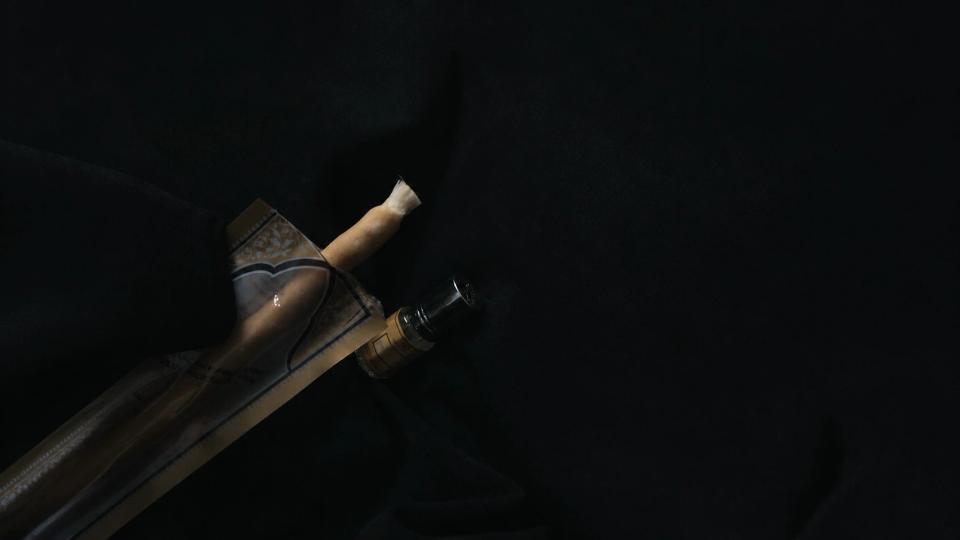

This article explains the rulings of siwak, hygiene and personal grooming according to the Hanbali madhhab. The rulings are extracted and summarized from Sharh Muntaha al-Iradat, Kashshaf al-Qina, and Matalib Uli al-Nuha.
Siwak and It’s Rulings
The siwak is the practice of cleaning the teeth and mouth using a small stick, traditionally taken from certain trees such as the arak tree. In Islamic jurisprudence, it refers to using a stick to remove discoloration, food residue, and other impurities from the teeth and mouth. By extension, the term siwak also refers to the stick itself.
General Ruling
Using the siwak is an emphasized Sunnah and is recommended at all times.
The objective is cleansing the mouth, so the ruling is connected to the act of cleaning the teeth rather than the specific twig itself. Therefore, a toothbrush takes the same ruling as the siwak because it fulfills the same purpose, whereas using one’s finger, a cloth, or similar items does not attain the complete Sunnah.
It is also recommended to begin cleaning the right side of the mouth first. Since the siwak removes impurities, it is held in the left hand while cleaning. The general Sunnah of beginning with the right also applies to purification, dressing, putting on footwear, and other honorable actions.
While Fasting
According to the relied-upon position of the Hanbali school, it is disliked for a fasting person to use the siwak after midday (zawal).
Before midday:
- A dry siwak is recommended.
- A moist siwak is merely permissible because moisture or particles from it may enter the mouth.
Recommended Times
Although siwak is recommended at all times, its recommendation is further emphasized:
- During wuduʾ, preferably after rinsing the mouth.
- Whenever the odor of the mouth changes.
- Before prayer.
- Before reciting the Qur’an.
- Upon waking from sleep.
- When entering the mosque.
- When entering one’s home.
Obligatory Acts Related to Grooming
- Growing the beard. According to the Hanbali school, shaving the beard is prohibited.
- Removing these acts of fitrah at least once every forty days:
- Shaving or removing the pubic hair.
- Trimming the mustache.
- Clipping the nails.
- Plucking the armpit hair.
Recommended Acts Related to Grooming
- Wearing perfume. Men should use fragrances with a noticeable scent and little visible color, while women should use fragrances whose color is subtle.
- Letting the hair grow to a moderate length and caring for it by washing and combing it regularly.
- Applying ithmid kohl, preferably three times in each eye before sleeping.
- Applying oil to the hair, beard, or skin as needed.
- Looking in a mirror to check one’s appearance.
- Washing the siwak before using it, except while fasting.
- Burying removed hair and clipped nails.
Disliked Acts Related to Grooming
- Shaving the back of the neck without a need.
- Qazaʿ, which is shaving part of the head while leaving the rest.
- Dyeing gray hair black, though some scholars permit it during wartime.
- Plucking gray hairs.
Prohibited Acts Related to Grooming
- Piercing the ears for men, but not for women.
- Plucking facial hair (nams) for beautification.
- Filing the teeth for cosmetic purposes.
- Hair extensions.
- Tattooing